
Last updated November 2, 2026
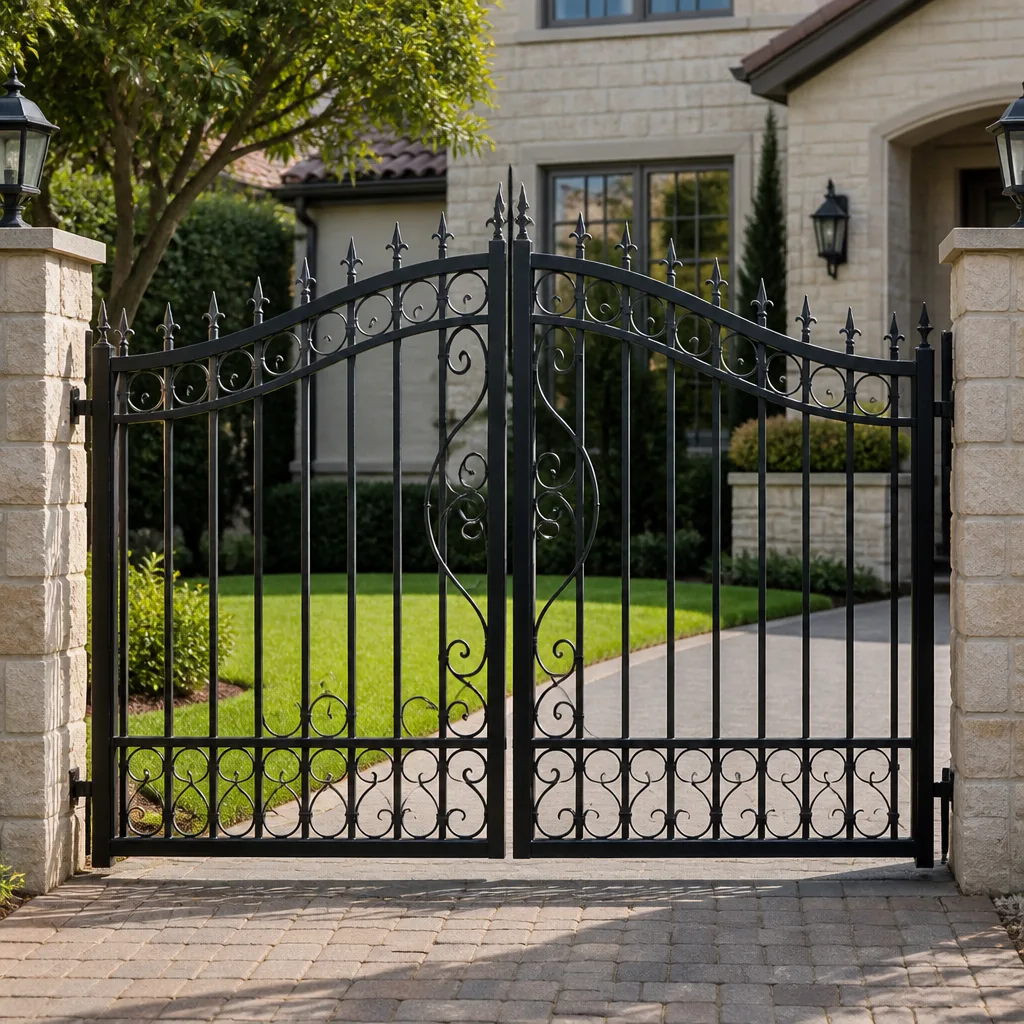 Wrought iron
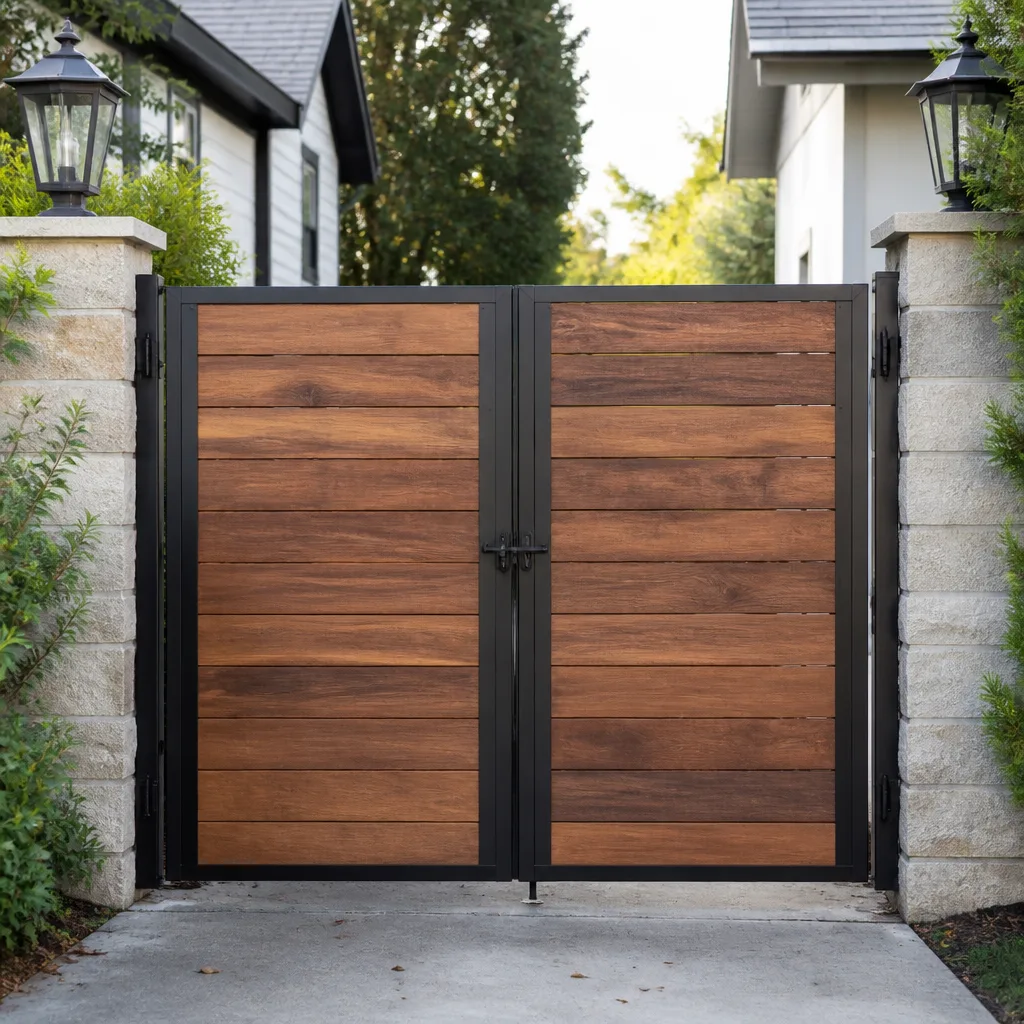 Wood & steel frame
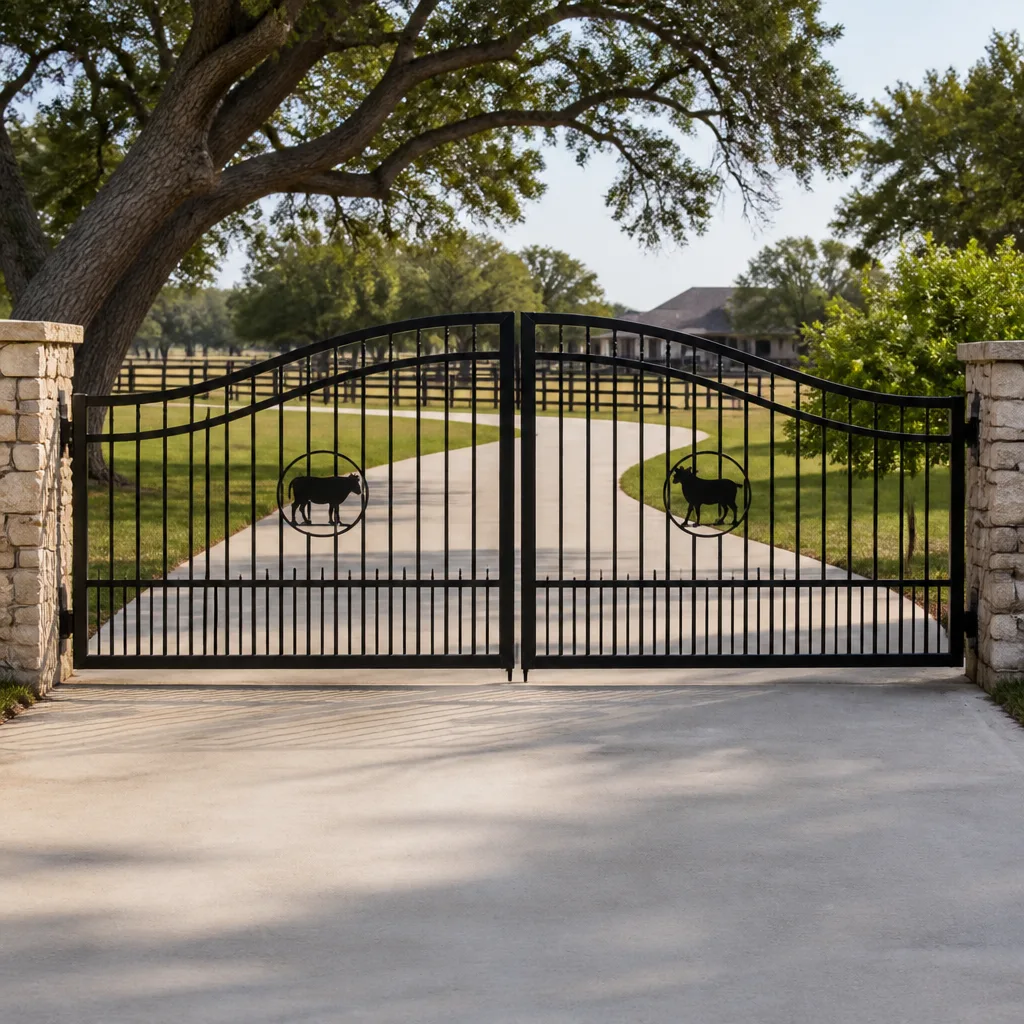 Farm & ranch
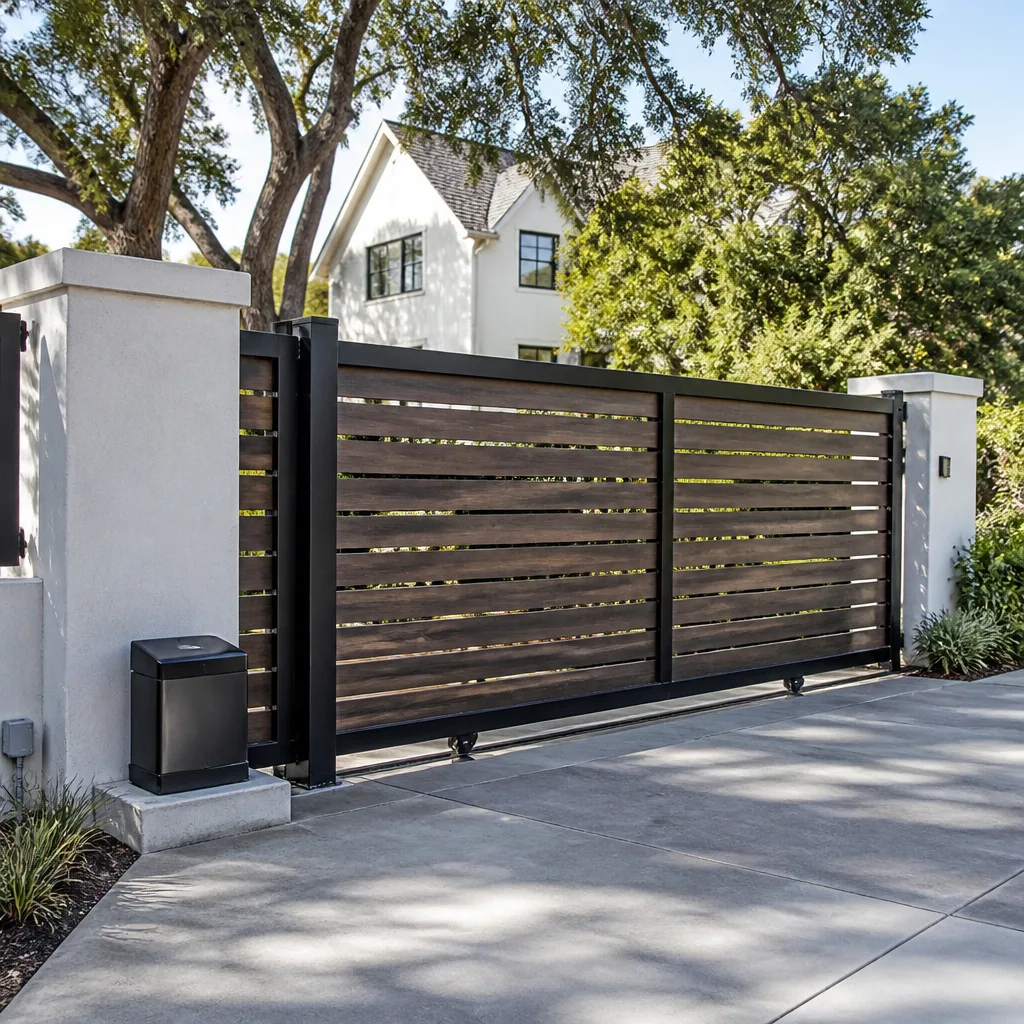 Sliding driveway gates
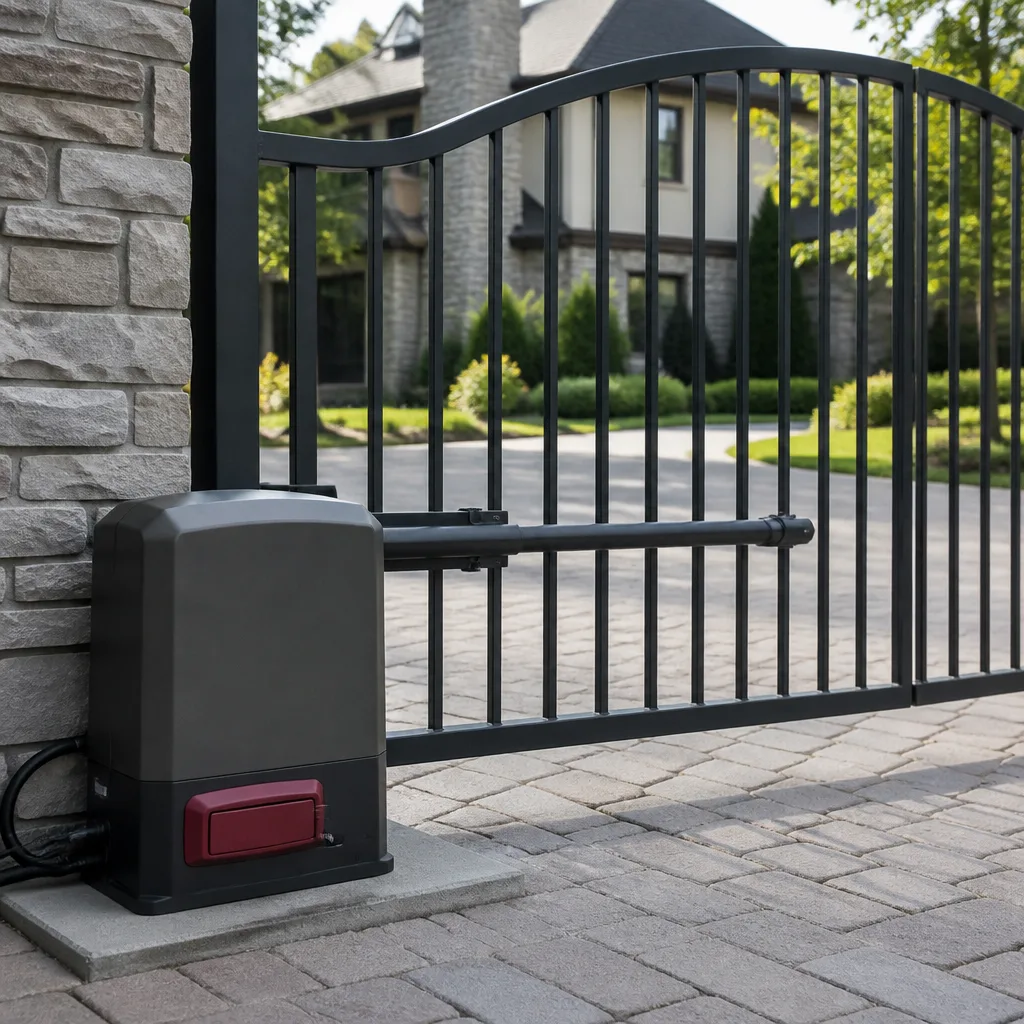 LiftMaster operators
Free on-site gate assessment - hinges, posts, and your LiftMaster or Nice gate operator checked before anything is quoted
The assessment is free and the quote is the invoice.
Get your free estimateGate Repair Emergency Preparedness Guide for Hyde Park South Homes
The time to learn where your gate’s manual release lever lives is not 11:47 PM with a car trapped in the driveway and a Lyft waiting at the curb. In Hyde Park South, where driveway gates are standard on most single-family lots and a failed gate at the wrong moment can block a medical transport or leave a 40-unit building’s fire lane unsecured, the difference between a ten-minute fix and a tow truck is whether you prepared before the failure happened. This guide walks you through the exact emergency protocol for the gate brands most common in Hyde Park South: where the manual release sits on a LiftMaster versus a FAAC, what to document now so a gate repair call goes faster, how to safely override a gate stuck open without creating an entrapment hazard, and what LA County requires of multi-unit property managers when the gate goes down. Read it once, save it, and run the practice drill once. That’s the whole point.
Quick Answer
Gate emergency preparedness in Hyde Park South means doing three things before a failure, not after: documenting your gate’s brand, model, and manual release location on a card stored in your car and your phone; testing the manual release and battery backup a couple times a year; and keeping a gate specialist’s number saved with the brand and motor type in your contacts. When the gate fails, the priority sequence is: secure the opening, override the operator using the brand-specific release, test the obstruction sensors, then call a technician with your documented details ready. Gate Repair Hyde Park South technicians carry parts for the brands Hyde Park South homes actually use, which shortens the diagnostic visit.
Styles & brands we work with
- Wrought iron
- Wood & steel frame
- Farm & ranch
- Sliding driveway gates
- LiftMaster operators
Table of Contents
- Why Gates Fail in Hyde Park South: The Patterns We See
- Document Now: The Emergency Card Every Home Needs
- Brand-Specific Manual Release: LiftMaster, FAAC, Viking, Apollo, DoorKing
- Gate Stuck Open: Safe Override Without the Security Risk
- Multi-Unit Properties: LA County Emergency Access Requirements
- What to Tell the Dispatcher: The 90-Second Info Dump
- Battery Backup Testing: The Schedule Nobody Keeps
- Prevention: The Repairs That Prevent Emergencies Altogether
Why Gates Fail in Hyde Park South: The Patterns We See
Gates don’t usually fail all at once. They degrade. In Hyde Park South, the failure patterns we see track closely with the local climate and the age of the neighborhoods. For a deeper look at catching these issues early, see our Gate Repair Maintenance Checklist for Hyde Park South Homeowners. Hyde Park South sits in South Los Angeles, where the marine layer keeps mornings damp through most of the year. That moisture works its way into control boards and limit switches, corroding contacts long before anything visibly breaks. The soil here is also famously expansive in spots; shifts of a quarter inch in a gate post show up as a gate that drags, then jams, then refuses to move at all.
The most common failure points, based on repair calls across Hyde Park South driveways and apartment lots:
- Control board corrosion – especially Viking and older DoorKing boards mounted in unsealed enclosures. Morning condensation collects, the board shorts, and the gate goes dead with no warning sound.
- Photo-eye misalignment – a safety sensor gets bumped by a landscaper or a car mirror, and the gate refuses to move or reverses mid-cycle. The gate isn’t broken; it’s doing exactly what it was designed to do.
- Limit switch failure – the gate loses track of where it is, opens too far, or stops three feet short and then reverses. LiftMaster operators are particularly known for this after 8-10 years.
- Gearbox or chain wear on slide gates – audible grinding for weeks before failure. Apartment complexes on Hyde Park South’s perimeter streets call us after residents have complained about the noise for a month.
- Dead battery backups – the operator works fine on AC power, but the backup battery has been dead for a year. Nobody knows until the power goes out.
Here’s the thing about gate repair in Hyde Park South: most emergencies are predictable failures that could have been caught in a fifteen-minute visual inspection. A gate that grinds, hesitates, or needs a second remote press is a gate that is already telling you something. Ignoring the warning is what turns a $200 gear replacement into a 2 AM emergency call with a car stuck inside.
Document Now: The Emergency Card Every Home Needs
Every automated gate in Hyde Park South should have an emergency card. Not in a drawer. Not in a file folder. Two places: taped inside the garage near the door, and a photo saved to your phone. The card is not for you to admire. It’s for the night you’re standing in the rain at midnight, phone in one hand, trying to remember if your operator is a Viking X-9 or a Viking R6, or whether the manual release needs a key or just a pull handle.
Here’s what goes on the card, and we can’t emphasize this enough: write it down before you need it. Memory is not a system.
- Brand and model number – found on a label on the operator arm or the control box. LiftMaster model numbers start with LA or CSL; Viking uses a plate on the side of the cabinet.
- Manual release type – keyed cylinder, pull handle, T-handle, or hex. Note the exact type and what tool it needs. A Viking keyed release is useless if your only copy of the key is inside the house, 40 feet away, in the kitchen drawer. Note where the key lives.
- Power source – 120V AC solar, 24V DC with battery backup, or dual. Write down whether you have a battery backup and the last date it was tested.
- Access methods – remotes, keypad, intercom, phone entry system. List the keypad code location (not the code itself, just where you wrote it), and whether there’s a hardwired access control panel in the house.
- Gate type and weight – slide or swing, single or double leaf, approximate weight. A 600-pound ornamental swing gate and a 1,400-pound solid steel slide gate need different motors and different failure handling.
- Last service date – what was done, by whom. If the limit switch was adjusted in March and the gate started acting up in September, that timeline helps a technician narrow the cause quickly.
Also worth doing once a year: take a 20-second video of the gate opening and closing on your phone, with sound. When something changes, you’ll have a baseline to compare against. A gate that now takes three seconds longer to close than it did in the video is a gate that’s telling you the motor is working harder than it should.
Brand-Specific Manual Release: LiftMaster, FAAC, Viking, Apollo, DoorKing
Every automatic gate operator has a manual release that disengages the motor from the gate leaf so you can move the gate by hand. The release is different on every brand, and if you’ve never found yours, you’re going to learn about it the hard way. Here’s the breakout for the brands we see most often in Hyde Park South driveways and complexes, including exact locations and tool requirements. This is the kind of brand-level detail that earns the trust of a property manager running twenty gates across Hyde Park South: we’re not guessing at your system; we’ve worked on it.
LiftMaster
Most LiftMaster swing gate operators (LA400, LA500, and the residential CSL series) use a simple pull-down release lever directly on the operator arm. It’s on the underside of the arm where it connects to the gate. No key required on residential models. Pull the lever down until it stops and the arm will free-swing. Commercial LiftMaster slide operators use a front-mounted chain release, usually requiring a flathead screwdriver to manually lift the release catch. In our experience across Hyde Park South homes, the residential pull lever is brass or galvanized and sits just behind the motor housing, often covered in grease and road grime. Wipe it off before you need it.
FAAC
FAAC hydraulic operators (the 400 and 750 series that show up on plenty of Hyde Park South ornamental swing gates) have a manual release knob under a small rectangular access door on the top of the operator housing. Open the door, rotate the knob counterclockwise two full turns, and the piston releases hydraulic pressure, letting you move the gate manually. Bring a small flathead if the access door is stuck. Once you’ve moved the gate, tighten the knob clockwise to re-engage. Be aware that FAAC systems often stay slightly soft after re-engagement until the pump cycles once; the gate will feel a little loose for the first cycle. That’s normal.
Viking
Here’s the one everyone gets wrong. Most Viking operators (G-5, R-6, X-9) use an external manual release that is keyed, not a pull. A separate, dedicated key, not a house key. The release cylinder is mounted on the operator pedestal, near the bottom, and it’s often hidden by a small flap or painted over by a well-meaning homeowner. You cannot release a Viking gate without that key, and we’ve watched too many Hyde Park South homeowners spend an hour looking for a lever that doesn’t exist. Order a spare key now and put it on the emergency card ring.
Apollo
Apollo operators (common on older Hyde Park South lots with the original gate from the 1990s) use a crank mechanism, not a lever. Look for a black knob or a fold-out handle on the side of the control box, usually recessed. Fold it out and crank counterclockwise to disengage. If the crank is missing (it happens), a standard 3/8-inch drive ratchet will work in the socket. In our experience, Apollo gates are the quietest to disengage and the easiest to re-engage, but only if the crank hasn’t been lost in the garage a decade ago.
DoorKing
DoorKing slide operators use a front-mounted release plate, accessible by opening the front door of the operator cabinet. There’s a flat steel bar that hinges upward to release the chain from the drive sprocket. Some models require a hex key to loosen a set screw first. DoorKing swing operators are less common in Hyde Park South residential work, but where they exist, the release is a lever on the side of the swing arm that pulls down to disengage. After re-engagement, always cycle the gate once with the remote to confirm the chain re-seated before you walk away.
Safety note, stated plainly: a released gate is a free gate. A slide gate released on a slope will roll on its own. A heavy swing gate released on a windy afternoon can swing hard enough to injure someone. Block or secure the gate leaf before you release the mechanism, and never put any part of your body between the gate and a hard stop. If the gate is jammed against something or feels unbalanced, leave it alone and call a professional. That call is cheaper than an ambulance.
Gate Stuck Open: Safe Override Without the Security Risk
A gate stuck in the open position is a different problem entirely. Everyone plans for the gate that won’t open. But in Hyde Park South, where a wide-open driveway at 2 AM is an invitation to anyone walking up from Crenshaw or the surrounding side streets, a gate stuck open is a security event. The instinct is to start forcing things. Don’t.
Here’s the sequence we recommend, in order:
- Check the photo eyes first. Nine times out of ten, a gate stuck open in Hyde Park South has a blocked or misaligned photo eye. Look for anything in the beam path (trash cans, a car parked too close, overgrown bougainvillea), then check that both eyes are facing each other and their little indicator lights are on. If one eye is dark, that’s your answer. The motor is fine; the safety system did its job and refused to close on what it thinks is an obstruction.
- Cycle power at the breaker. Turn off the operator’s breaker for 60 seconds, then turn it back on. This resets the control board, which fixes a surprising number of stuck-open faults. If the gate closes after the reset, the issue was a logic lock, not a mechanical failure.
- Try the manual close only if the gate is balanced. Release the operator using the brand-specific method above, then push the gate closed by hand. If it fights you, feels heavy, or wants to drift, stop. A gate that’s hard to push is a gate with a mechanical problem, a post issue, or a wheel problem, and forcing it will make the repair more expensive.
- Secure the opening temporarily. A released gate in the closed position is not secure. It has no motor holding it. Use a chain and padlock through the gate frame and a fixed post, or park a car against the inside to stop the gate from being pushed open. In Hyde Park South, where property crime near gated lots is a real concern, a released gate left unsecured is an open invitation.
- Leave the breaker off. Once you’ve manually closed and secured a gate, turn off the breaker at the panel. You do not want the operator trying to run a gate that is manually released. The first cycle after a release can damage the limit switches if the operator tries to move the gate to a position it’s not actually in.
If the gate is stuck open because of a broken spring, a snapped chain, or a visibly bent track, the sequence changes: photograph the damage, secure the opening with whatever you have, and call. Electric gate repair in Hyde Park South is our core specialty, and a technician can usually arrive with the right replacement part the same day if we know the brand and the failure mode before dispatch.
Multi-Unit Properties: LA County Emergency Access Requirements
If you manage a gated multi-unit property in Hyde Park South, gate failure is not just an inconvenience. It’s a fire code compliance issue, and the Los Angeles County Fire Department has specific requirements that survive contact with a dead operator. We’ve worked with property managers across the area whose gates are older DoorKing or Elite slide operators, and the compliance conversation usually starts only after something fails. For details on permits and inspections, read our guide to Gate Repair Permits, Codes & Inspections in CA: What You Need to Know. Don’t let it be an emergency before you understand the rules.
Knox Box. LA County requires gated access points serving more than four units to have a Knox Box or Knox Gate Switch installed so fire crews can access the property without waiting for a keyholder. The Knox Gate Switch is mounted near the gate and contains a key or switch mechanism that fire personnel activate with their own universal key. If your gate operator is upgraded or the control board is replaced, the Knox switch wiring must be re-verified. A technician who isn’t familiar with the requirement will happily install a new board and leave the Knox switch disconnected, and you won’t find out until the fire department tries to open the gate at 2 AM and can’t.
Manual override for fire department access. The fire department must be able to open the gate manually from the outside without special tools. That means the manual release (or a fire department lock box with the release key) has to be accessible from the street side. Viking keyed releases, common on older Hyde Park South apartment gates, often fail this requirement if the only key copy sits in the manager’s office and the manager lives off-site. A copy of the release key goes in the Knox Box. That’s not optional.
Annual testing. LA County fire code references annual testing of automatic gates with emergency access controls. The test sequence: close the gate, simulate a power failure, verify the gate can be manually opened from the outside in under 30 seconds, and verify the gate auto-reverses on obstruction (entrapment protection). Keep a log. If a fire inspector asks to see your last annual gate test and you don’t have one, you bought yourself a citation and a re-inspection before the fire department signs off on anything else.
Entrapment sensors. Every automatic gate serving a multi-unit property must have functioning primary and secondary entrapment protection, per UL 325. The primary is usually the current-sensing motor reversal; the secondary is the photo eye or edge sensor. Both must be active and tested. A gate with a bypassed photo eye is not just non-compliant, it’s an injury waiting to happen. We don’t bypass safety sensors. There’s no repair scenario where the fix is worth the liability.
What to Tell the Dispatcher: The 90-Second Info Dump
When you call a gate company in Hyde Park South, the dispatcher doesn’t need your life story. They need five specific pieces of information, in this order, to send the right technician with the right parts on the first trip. If you have the emergency card from the first section, this is a 60-second phone call. If you don’t, it’s a 15-minute guessing game that often ends in a second visit and a second truck roll.
- Gate type and brand. “Slide gate, DoorKing 9000 operator, 2006 install.” Or “Double swing gate, LiftMaster LA400 on the left, Viking on the right.” The brand and operator model determine which parts go in the van.
- Exact symptom. Not “it’s broken.” Tell us: “Gate opens but won’t close.” “Gate hums but doesn’t move.” “Gate moves two feet and reverses.” “No power to the keypad.” “Motor runs but chain doesn’t engage.” The symptom narrows the failure from a one-hour diagnostic to a ten-minute fix.
- What you’ve already tried. “Cycled the breaker, it reset and now the gate opens halfway and stops.” “Already released the manual and pushed it closed.” This prevents us from re-running diagnostics you’ve already done and tells us whether the fault is intermittent or permanent.
- When it started. “Worked fine this morning, dead at 4 PM.” “Been grinding for three weeks, now it won’t move at all.” A sudden failure after a rainstorm suggests a board or connection; a gradual failure suggests mechanical wear.
- Access to the property. Is there a pedestrian gate? A code that’s active? Is the gate itself blocking the only entrance, or can a vehicle get through another way? This determines whether we need to schedule the call differently or whether we’re working from the street side.
And a nuance specific to Hyde Park South: if your gate is on the street side with overhead power lines nearby, flag that to the dispatcher. We’ll bring the right equipment. It’s the kind of detail that saves a half hour on-site and nobody thinks to mention it until the truck pulls up.
Battery Backup Testing: The Schedule Nobody Keeps
Every operator with a battery backup has a test schedule. Almost nobody follows it. We see the result every time the power flickers in Hyde Park South during a summer brownout or a morning grid event, and a hundred gates go dark because their backup batteries died sometime in the last two years, unnoticed.
Here’s the schedule that actually works for a Hyde Park South homeowner, not the ideal one that works for nobody:
- Test the battery quarterly, not annually. Three months is frequent enough to catch a dead battery before an emergency, but not so frequent you’ll ignore the reminder. Put it in your phone with the smoke detector battery test. Two birds.
- Test protocol: turn off the breaker to the operator, try the remote. If the gate opens normally, the battery is holding charge. If the gate moves slowly, erratically, or not at all, the battery is failing.
- Track battery age. Most gate backup batteries last 3-5 years in Hyde Park South conditions. Write the install date on the battery itself with a Sharpie. If it’s over 4 years old and you’re testing it quarterly, replace it preemptively.
- Know what a battery backup covers. It powers the operator, not the keypad, not the intercom, not the phone entry system, unless those are wired through the operator’s power supply. On many Mighty Mule and Ghost Controls systems, the keypad is battery-powered separately and dies on its own schedule. If the gate opens on battery but the keypad doesn’t, you know where the failure is.
One more item on the checklist: a solar panel doesn’t mean a battery backup. A solar panel keeps the battery topped off; it doesn’t create power on demand. If your gate is solar-powered with no battery, it won’t operate at night regardless of what the spec sheet says. We’ve replaced more than one Hyde Park South solar setup where the previous installer forgot to explain that part.
Prevention: The Repairs That Prevent Emergencies Altogether
The best emergency is the one that’s already been fixed. In our Hyde Park South service area, the pattern is consistent: gates that get a 30-minute preventive check twice a year fail at roughly a quarter the rate of gates that only get called in when they stop moving. What’s in the preventive check, and what differences does it actually make?
- Limit switch adjustment. When a gate’s limit switches drift, the motor runs against the stop at full torque. That’s how you burn out a gearbox or warp a hinge. Adjusting limits takes five minutes and prevents the most expensive repair in the book.
- Chain and belt tension. A loose chain jumps a sprocket and snaps. A tight chain eats bearings. Most residential gate chains need adjustment every six to twelve months depending on use.
- Photo-eye cleaning and alignment. Dirt and misalignment cause false reverses and stuck-open faults. A quick wipe and a visual check keeps the safety system doing its job without false alarms.
- Lubrication of hinges and wheels. In Hyde Park South’s coastal-moisture-and-sun cycle, unprotected metal needs attention. A dry hinge is a squeal, a dry wheel is a drag, and a dry roll pin is a broken roll pin.
- Post and foundation check. Expansive soil shifts gates. A gate that’s settled an inch puts out of plane load on hinges, stress on the motor, and premature failure on everything upstream.
If you’re reading this after a failure, skip the lecture and call. Gate installation in Hyde Park South and emergency repair are two sides of the same investment. A gate installed or repaired correctly, with the right brand-matched parts and limit adjustments, is a gate that doesn’t make the 2 AM call necessary. That’s not a slogan; that’s the entire business model.
Common Mistakes to Avoid
- Forcing a gate that’s fighting you. If the gate is heavy, grinding, or won’t move by hand, the problem is mechanical, not electrical. Forcing it will turn a $200 gear replacement into a $1,500 motor rebuild plus a bent gate leaf.
- Bypassing a photo eye or entrapment sensor. We’ve seen it on older Hyde Park South apartment gates where the maintenance guy got tired of false reverses and jumpered the sensor. That’s not a fix; that’s a lawsuit and a fire code violation waiting to happen.
- Leaving a released gate unsecured. Releasing the manual override and walking away with the gate closed but unlocked is an invitation to anyone who pushes on it. Chain it, padlock it, or park against it.
- Replacing a control board without testing the photo eyes first. A surprising number of “dead boards” are perfectly healthy boards that have been locked in entrapment mode by a misaligned sensor. Test the cheap thing before you replace the expensive thing.
- Losing the Viking release key. A Viking keyed release with no key on the property means the fire department can’t open your gate, your tenant is trapped, and your technician has to drill the cylinder. Order a spare key today and put it on the card ring.
- Hiring a general handyman for gate work. We’ve seen the results: a universal chain put on a FAAC operator, a LiftMaster board wired into a Viking cabinet, and a photo eye wired backwards so the gate closed on the car it was supposed to protect. Gate operators are brand-specific machines; brand-agnostic repairs shorten their lifespan dramatically.
See the difference
 Before
 After
 Before
 After
 Before
 After
When to Call a Professional
Some gate failures are DIY territory, like resetting a breaker or cleaning a photo eye. Most others aren’t. Call a professional when the gate is making metal-on-metal noise, when the motor runs but the gate doesn’t move, when you’ve released the manual and the gate still won’t budge by hand, or when anything involving high-tension springs, chains, or the control board is wrong. Gate Repair Hyde Park South offers free estimates in Hyde Park South, and we’ll always quote the price before any work starts. Call (877) 752-8839.
Frequently Asked Questions
Emergency gate repair in Hyde Park South typically runs $150 to $450 for most common failures, including the service call, diagnostic time, and standard part replacement. Control board replacements run higher, gearbox rebuilds higher still. Every quote is agreed before work begins, so there’s no surprise invoice at the end. Call (877) 752-8839 for an exact quote: estimates are free.
Our Hyde Park South service area covers the neighborhood directly, and emergency repair calls are dispatched the same day in most cases. If you tell the dispatcher your gate’s brand and the exact symptom when you call, the technician arrives with the right parts on the first trip. Call (877) 752-8839.
A full gate installation includes the gate leaf, hinges, operator, control board, safety sensors, any required keypad or remote hardware, and a full cycle test. We also verify the power supply is adequate for the operator, which is the most overlooked part of the install. For a complete written quote, call (877) 752-8839 for a free on-site measure.
Yes. Power runs, conduit, safety edges, photo eyes, and operator wiring are all part of the electrical side of gate installation, which is our core specialty. We don’t farm out the electrical: we install it, test it, and stand behind it. Call (877) 752-8839 to schedule a measure.
Check the photo eyes first, then the breaker, then the battery backup. Three-quarters of Hyde Park South “dead gate” calls are a misaligned photo eye or a tripped breaker, and both fix faster than the phone call to report it. If those are clear and the gate still won’t move, call (877) 752-8839.
We recommend a preventive check every six months for a residential gate in Hyde Park South, and every three months for a commercial or multi-unit gate. The local moisture cycle and expansive soils put extra stress on hinges, boards, and posts, and the 30-minute check costs a fraction of the repair it prevents. Call (877) 752-8839 to schedule one.
The Bottom Line
Preparedness is not a repair strategy; it’s a two-hour investment you make once so every future failure costs less in money, time, and stress. Write the emergency card. Find your manual release. Practice it once. Test the battery backup quarterly. Know your brand and tell the dispatcher. In Hyde Park South, the difference between a prepared homeowner and an unprepared one is the difference between a next-day fix and a night spent outside the gate. For more guides & resources, visit our blog. When the gate fails, you’ll want a specialist who already knows your brand, already knows the code requirements, and already has the parts on the truck.
Written by the team at Gate Repair Hyde Park South, serving Hyde Park South since 2015.